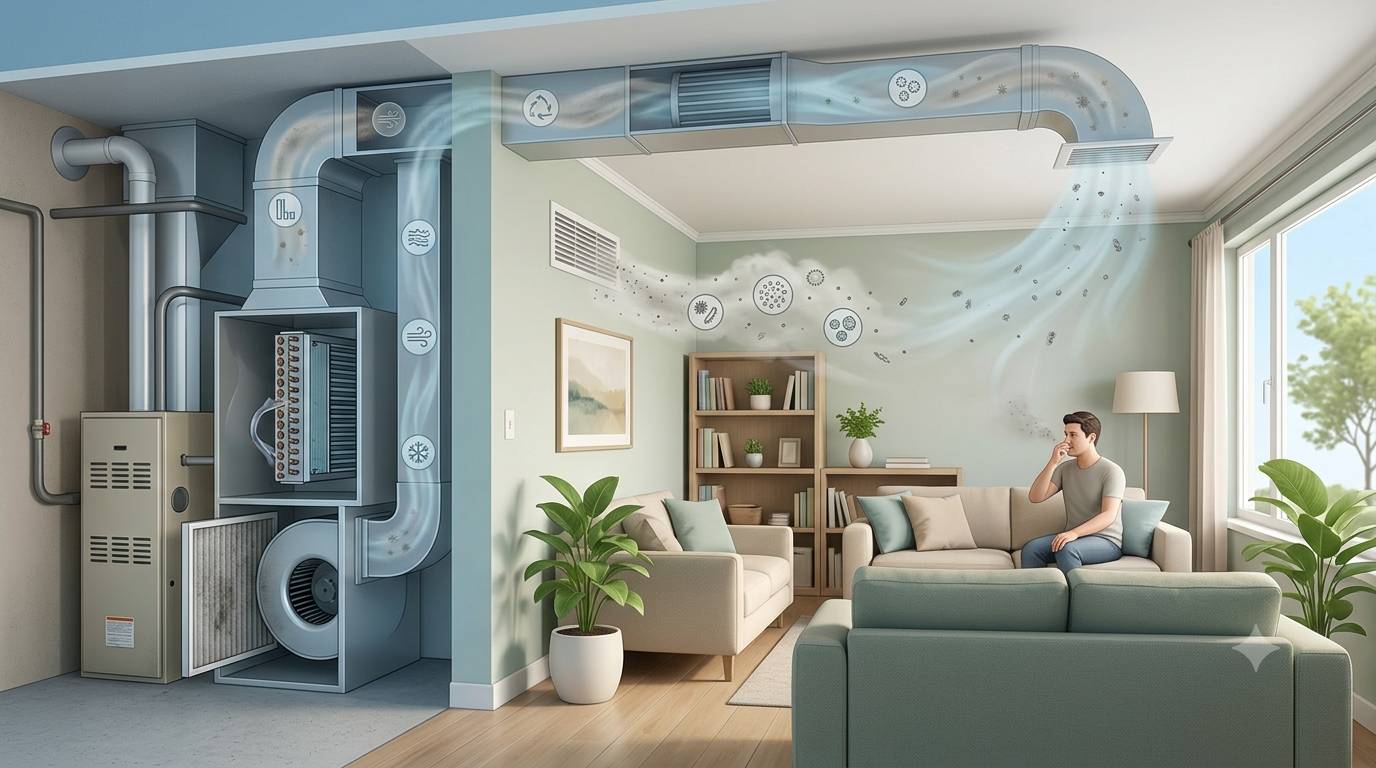
Most people think of their HVAC system as the equipment that keeps their home warm in winter and cool in summer. While that’s certainly its primary job, it also plays a major role in the quality of the air you breathe every day. Since the average person spends most of their time indoors, clean indoor air is essential for both comfort and overall well-being.
When an HVAC system isn’t properly maintained, it can circulate dust, allergens, mold spores, and other airborne pollutants throughout your home. If you’ve noticed lingering odors, increased allergy symptoms, or excessive dust, your heating and cooling system could be contributing to the problem. Homeowners looking for reliable Coos Bay, OR hvac service can benefit from regular inspections that help identify and resolve these hidden air quality issues before they become more serious.
Dirty Air Filters Reduce Air Quality
One of the most common causes of poor indoor air quality is a clogged air filter. HVAC filters are designed to capture dust, pollen, pet dander, and other particles before they circulate through your home. Over time, these filters become full and lose their ability to trap contaminants effectively.
A dirty filter forces your HVAC system to work harder while allowing more airborne particles to remain in circulation. This can increase allergy symptoms, leave more dust on furniture, and reduce overall system efficiency.
Most homeowners should check their filters every month and replace them according to the manufacturer’s recommendations. Homes with pets, smokers, or family members with allergies may require more frequent filter changes.
Dust and Debris Inside Air Ducts
Your ductwork serves as the pathway that distributes conditioned air throughout your home. As years pass, dust, dirt, and other debris can accumulate inside these ducts.
Although a small amount of dust is normal, excessive buildup can become a problem when particles are continuously blown into living spaces. Renovation projects, water damage, or pest infestations may increase contamination inside the duct system.
If you notice visible dust blowing from vents or your home seems dusty despite regular cleaning, it may be worth having your ductwork inspected by a qualified HVAC professional.
Mold Growth Within the HVAC System
Moisture is one of the biggest threats to indoor air quality. Air conditioners naturally remove humidity from indoor air, producing condensation during operation. If moisture isn’t draining properly, mold and mildew can begin growing inside components such as drain pans, evaporator coils, or ductwork.
Once mold develops, spores can spread through the ventilation system and enter every room in the home.
Signs that mold may be present include:
- Musty odors when the HVAC system runs
- Increased allergy or asthma symptoms
- Visible mold near vents or HVAC equipment
- Excess humidity inside the home
Addressing moisture problems promptly is essential to preventing mold from spreading further.
Poor Humidity Control
Indoor humidity plays a significant role in maintaining healthy air quality. When humidity levels are too high, mold, mildew, and dust mites thrive. When they’re too low, dry air can irritate your skin, throat, and respiratory system.
A properly functioning HVAC system helps regulate indoor humidity year-round. However, aging equipment, oversized systems, or malfunctioning components can make humidity difficult to control.
Experts generally recommend maintaining indoor humidity between 30% and 50% for optimal comfort and air quality.
Dirty Evaporator Coils
The evaporator coil is responsible for absorbing heat from indoor air. As air passes over the coil, dust and debris can gradually accumulate on its surface.
A dirty evaporator coil restricts airflow, reduces cooling efficiency, and creates damp conditions that encourage microbial growth. Over time, this buildup can contribute to unpleasant odors and reduced indoor air quality.
Routine maintenance includes cleaning the coils to keep the system operating efficiently while minimizing contaminants.
Blocked or Dirty Air Vents
Supply and return vents allow air to circulate throughout your home. When these vents become blocked by furniture, rugs, or dust buildup, airflow becomes restricted.
Poor airflow may cause certain rooms to feel uncomfortable while allowing airborne particles to accumulate more easily. Dust-covered vents can also release contaminants back into the air each time the system cycles on.
Cleaning vents regularly and ensuring they’re unobstructed helps maintain balanced airflow and healthier indoor conditions.
Leaky Ductwork Can Introduce Contaminants
Small leaks in ductwork often go unnoticed for years. Unfortunately, these openings may allow insulation fibers, attic dust, crawlspace debris, and even pests to enter the airflow before conditioned air reaches your living areas.
Leaky ducts can also reduce HVAC efficiency by allowing conditioned air to escape before reaching its intended destination.
Professional duct inspections can identify leaks and improve both air quality and system performance.
Aging HVAC Equipment
Older HVAC systems naturally become less efficient over time. Components wear down, airflow decreases, and filtration may not perform as effectively as newer systems.
While age alone doesn’t automatically create poor indoor air quality, older equipment often struggles to maintain consistent airflow, proper humidity levels, and efficient filtration.
If your HVAC system is nearing the end of its expected lifespan and requires frequent repairs, replacing it with a modern, energy-efficient unit may improve both comfort and indoor air quality.
Warning Signs Your HVAC System May Be Affecting Your Air
Indoor air quality problems often develop gradually, making them easy to overlook. Paying attention to subtle changes can help identify HVAC-related issues early.
Some common warning signs include:
- Persistent dust despite regular cleaning
- Musty or unusual odors when the system runs
- Allergy symptoms that worsen indoors
- Uneven temperatures between rooms
- Excessive indoor humidity or condensation
- Frequent headaches or respiratory irritation while at home
If multiple symptoms appear together, your HVAC system deserves a thorough inspection.
Preventive Maintenance Makes a Difference
The best way to protect indoor air quality is through regular HVAC maintenance. Seasonal inspections allow technicians to replace filters, clean important components, inspect ductwork, and identify moisture issues before they become larger problems.
Simple maintenance not only improves indoor air quality but can also increase energy efficiency, reduce utility costs, and extend the lifespan of your heating and cooling equipment.
Final Thoughts
Maintaining good indoor air quality starts with keeping your HVAC system in excellent condition. Clean air filters, properly functioning ductwork, balanced humidity levels, and routine HVAC maintenance all work together to reduce airborne pollutants and create a healthier indoor environment. Ignoring small issues such as clogged filters, mold growth, dirty coils, or leaking ducts can allow contaminants to circulate throughout your home while reducing system efficiency and increasing energy costs.
By scheduling regular inspections and addressing HVAC problems early, homeowners can enjoy cleaner air, better system performance, and improved year-round comfort. Investing in preventive HVAC maintenance not only protects your heating and cooling equipment but also supports healthier indoor air quality, helping your family breathe easier and enjoy a safer, more comfortable home.