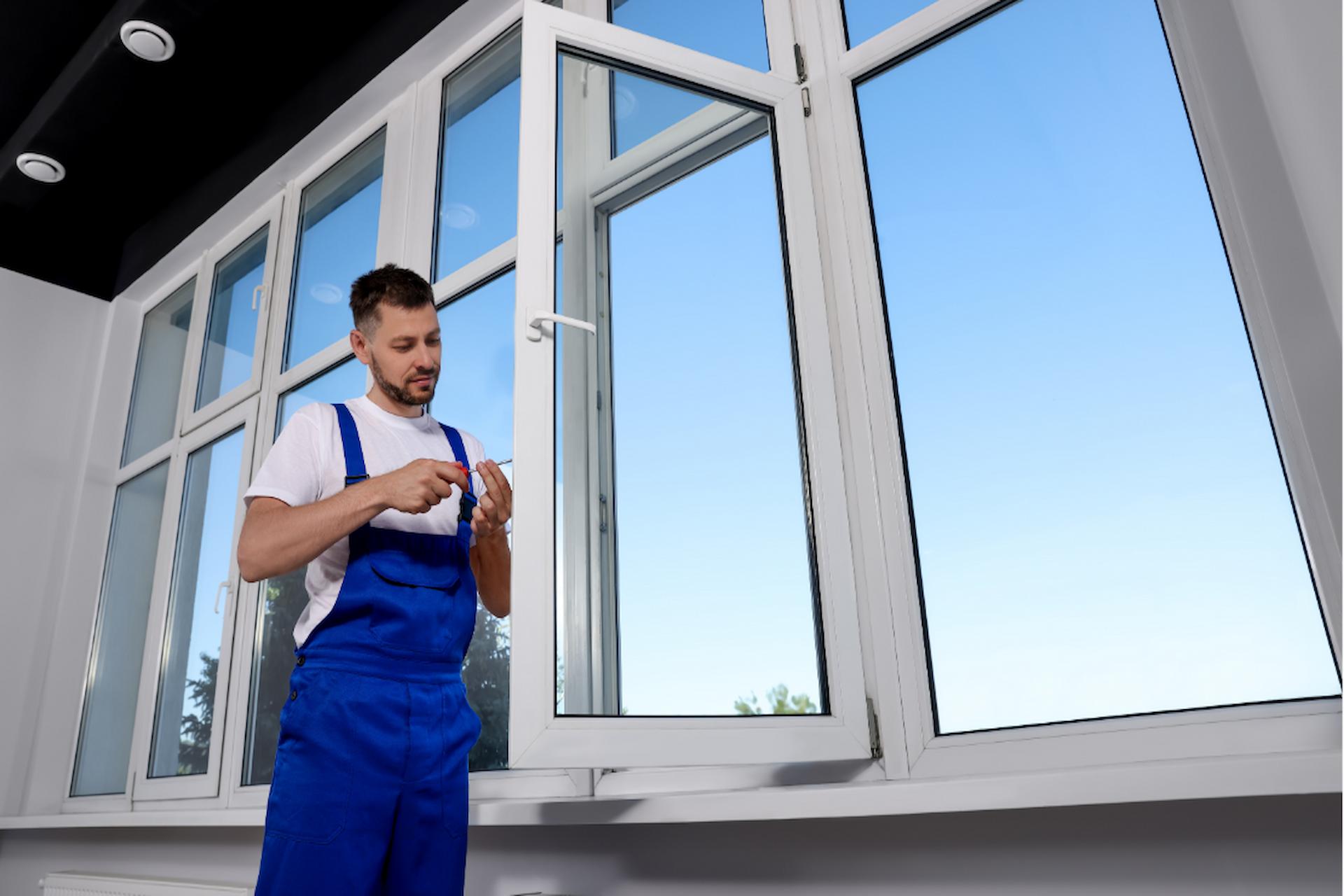
Ensuring your home remains a sanctuary involves more than just interior design and routine cleaning; it requires a commitment to the structural integrity of your building envelope. Windows are a vital part of this system, providing light, ventilation, and security. However, when those windows reach the end of their lifespan—showing signs of rot, seal failure, or structural warping, replacement becomes necessary. While many homeowners view this as a straightforward aesthetic upgrade, window replacement is a high-stakes construction project. If handled poorly, it can introduce significant safety risks to both the installers and the residents.
Homeowners often underestimate the physical risks involved in removing heavy glass units and securing new frames in an existing structure. Safety isn’t just about wearing a hard hat; it’s about structural precision, proper chemical handling, and adherence to local building codes. Many residents seeking professional help prioritize window installation safety Harbor FL, to ensure that their coastal homes remain resilient against the elements while protecting the people inside during the renovation process. Failing to prioritize these protocols can lead to catastrophic property damage or personal injury.
Neglecting Structural Integrity and Frame Stability
One of the most frequent errors in window replacement is failing to inspect the underlying framing before installing a new unit. If the rough opening has hidden wood rot or termite damage, the new window will not be properly supported. A heavy double-pane window that isn’t anchored into solid, healthy wood can shift, crack, or even fall out during a high-wind event.
Installers must ensure that the header of the horizontal beam above the window is capable of bearing the load. In older homes, structural settling may have caused the opening to become “out of square.” Forcing a square window into a trapezoidal opening creates immense pressure on the glass. This stress can lead to spontaneous glass breakage or a failure of the window’s locking mechanism, which compromises home security.
Improper Use of Personal Protective Equipment (PPE)
Professionalism is often reflected in how a crew manages its own physical safety. A common mistake is the “casual” approach to PPE, which can lead to severe accidents on-site. When dealing with window installation safety Harbor FL, experts must account for the specific challenges of the local climate, including heat exhaustion and high-glare environments that can impair vision during precise measurements.
Essential safety gear should include:
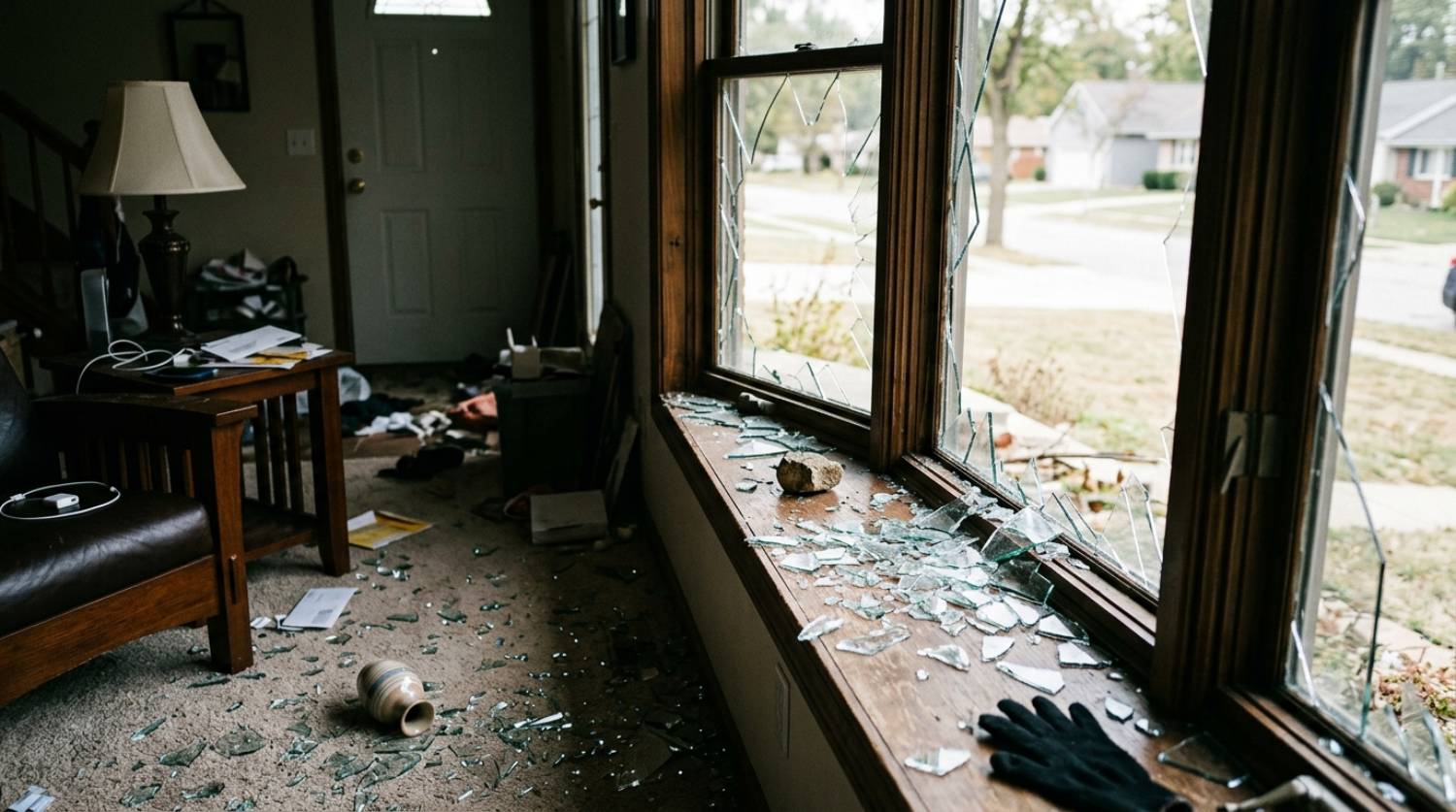
- Cut-resistant gloves: Crucial for handling broken glass or sharp aluminum flashings.
- Safety glasses: Protection against flying debris during the removal of old, brittle caulking or wood.
- Fall protection harnesses: Mandatory for any work being performed on a second story or higher.
- Respiratory protection: Old window casings may contain lead paint or asbestos-containing caulking, which becomes hazardous when disturbed.
Inadequate Weatherproofing and Flashing Procedures
A window that is physically secure but improperly flashed is a ticking time bomb. The primary job of a window, aside from letting in light, is to keep water out. Many installers make the mistake of relying solely on “caulk and walk” methods—applying a bead of sealant around the exterior and calling it finished.
Proper safety requires a comprehensive flashing system. This involves a sill pan that directs water outward, self-adhering flashing tapes, and head flashings (drip caps). When these are skipped, water seeps into the wall cavity. Over time, this leads to black mold growth and structural decay. From a safety perspective, mold poses a serious respiratory risk to the inhabitants, often remaining hidden behind the drywall until the damage is extensive and expensive to remediate.
Failure to Follow Lead-Safe Work Practices
In homes built before 1978, the presence of lead-based paint is a primary concern. A major mistake in the industry is neglecting the EPA’s Renovation, Repair, and Painting (RRP) Rule. If an installer sands or scrapes lead-paint surfaces without using HEPA-filtered vacuums and plastic containment barriers, they contaminate the entire living space with toxic dust.
Lead poisoning is a permanent, preventable injury. Safe window replacement requires testing for lead and using “wet” methods to minimize dust. Homeowners should always verify that their chosen contractor is an EPA-certified firm to ensure that the removal process doesn’t leave behind a chemical hazard for children or pets.
Critical Checklist for a Secure Installation
To help homeowners identify if their project is moving in a safe direction, keep an eye on these essential practices. If your contractor is skipping these steps, the safety of the installation is likely compromised.
- Verified Anchoring: Ensure screws are driven into the structural studs, not just the trim or siding.
- Glazing Integrity: Check that the glass is tempered in required areas, such as bathrooms or near floor levels, to prevent dangerous shards if broken.
- Clear Egress Path: New windows in bedrooms must meet specific size requirements to allow for emergency exit during a fire.
- Weight Management: Large picture windows require suction cup lifters and multiple personnel to prevent drops.
- Debris Management: A safe site is a clean site; old glass and nails should be placed immediately into a disposal bin.
Ladder Safety and Site Perimeter Control
A significant portion of window-related injuries occurs due to ladder failure. Setting a ladder at the wrong angle or on soft, uneven ground can lead to a fall from height. Furthermore, installers often fail to secure the “drop zone” below the work area. If a tool or a piece of old hardware falls from the second story, it becomes a dangerous projectile.
Safety protocols dictate that the area directly beneath the window should be cordoned off with caution tape. This prevents homeowners, children, or pets from accidentally walking into a zone where falling debris or glass could cause injury.
Ignoring Local Building Codes and Wind Load Requirements
In coastal regions, windows must do more than just look good; they must withstand intense pressure changes. A common mistake is installing a window that is not rated for the specific wind zone of the property. Using non-impact glass in an area that requires high-velocity hurricane zone (HVHZ) ratings is a major safety violation. During a storm, a non-rated window can shatter, leading to internal pressurization that can actually blow the roof off a structure.
Safe window replacement means verifying that every product meets or exceeds local design pressure (DP) ratings. This ensures the unit remains in the wall even when subjected to extreme atmospheric forces.
Conclusion
Safe window replacement is a technical process that demands more than basic carpentry skills. By avoiding common pitfalls like neglecting structural repairs, ignoring PPE, or failing to follow lead-safe practices, you protect your investment and your family. High-quality work focuses on structural stability, chemical safety, and weatherproofing. Prioritizing these elements ensures that your new windows provide beauty and protection for decades. Always choose a professional who values safety as much as aesthetics to ensure the job is done correctly and securely the first time.