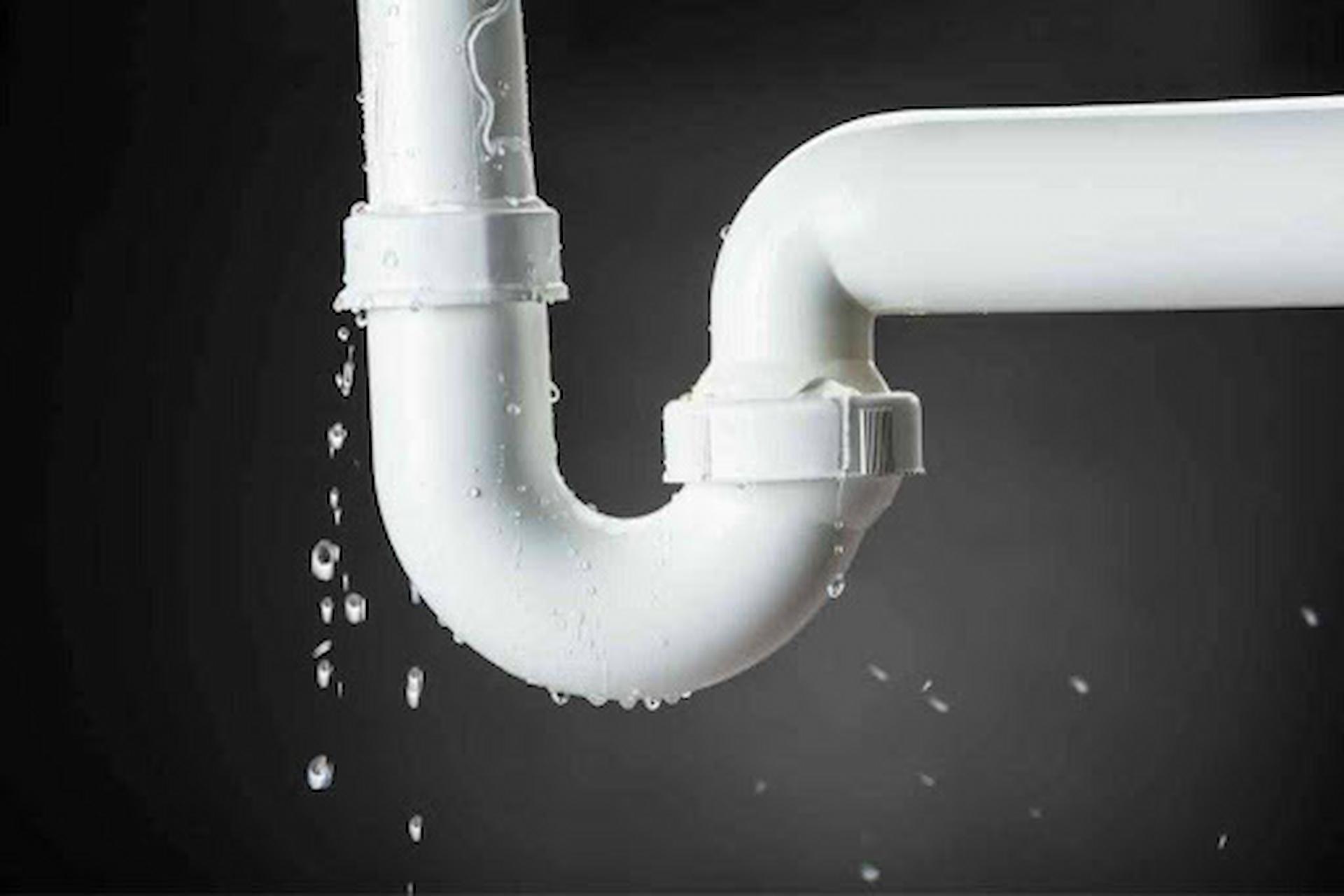
Leaks in water systems can cause costly damage and waste significant resources. Leak Detection services identify hidden problems before they escalate. This article explains how leak detection works, explores the latest techniques and technologies, and offers practical tips to protect your property and maintain efficient water systems.
Water leaks often remain hidden for months, quietly causing significant problems such as structural damage, higher utility bills, and unnecessary water wastage. Early detection is essential to prevent these issues from escalating and to reduce repair costs. Leak Detection uses a combination of specialised tools, skilled techniques, and modern technology to identify the exact location of leaks quickly and accurately. From residential homes to commercial properties, and even large water mains, early identification ensures minimal disruption and protects both property and resources. Techniques such as acoustic monitoring, thermal imaging, pressure testing, and intelligent sensor systems allow technicians to pinpoint leaks without extensive demolition or guesswork.
By understanding how leak detection works, homeowners, businesses, and facility managers can make informed decisions about maintenance, repairs, and preventative measures. Proactive leak detection not only saves money but also preserves property integrity, conserves water, and ensures the long-term efficiency of plumbing systems.
A Guide to Leak Detection
Leak detection is the process of locating water leaks within a system, often before visible signs appear. These leaks can occur in pipes, tanks, fittings, or underground water mains. The primary goal is to identify the source accurately without unnecessary damage to the surrounding area.
Modern leak detection avoids tearing open walls or floors unnecessarily. By using specialised equipment and proven techniques, professionals pinpoint leaks quickly and accurately. Early detection reduces water loss, prevents damage, and lowers repair costs.
Common Causes of Leaks
Understanding why leaks happen helps in preventing them:
- Ageing pipes that corrode or weaken over time
- High water pressure is causing pipe bursts or small fissures
- Shifting soil or ground movement affecting underground pipes
- Faulty or poorly installed plumbing components
- Wear and tear from regular use over the years
Regular inspections and proactive maintenance are critical to identifying potential issues before they become significant problems.
Techniques Used in Leak Detection
Modern Leak Detection relies on several methods, combining technology with skilled analysis:
1. Acoustic Detection
Acoustic equipment detects the sound of water escaping from pipes. Special microphones or sensors pick up unusual vibrations, even in underground systems.
2. Thermal Imaging
Infrared cameras identify temperature differences caused by leaking water. This is particularly useful for detecting hidden leaks in walls or ceilings.
3. Pressure Testing
By monitoring pressure changes in a system, technicians can locate leaks. A pressure drop often indicates water escaping somewhere in the network.
4. Tracer Gas Detection
Non-toxic gases, such as helium or hydrogen, are introduced into pipes. Sensors detect where the gas escapes, pinpointing leaks precisely.
5. Smart Water Monitoring
Advanced sensors continuously monitor water usage. Sudden spikes or irregular patterns trigger alerts, allowing early intervention. Using these techniques together often provides the most accurate results, ensuring minimal disruption and precise repair.
Benefits of Professional Leak Detection
Hiring professional leak detection services offers several advantages:
- Early problem identification – Prevents small leaks from becoming costly damage.
- Cost savings – Reduces wasted water and repair expenses.
- Property protection – Avoids structural damage from prolonged leaks.
- Environmental benefits – Conserves water and reduces unnecessary waste.
- Peace of mind – Reliable, efficient service from trained experts.
Tips for Preventing and Managing Leaks
Even with professional detection available, homeowners and businesses can take steps to reduce risk:
- Schedule regular plumbing inspections to catch early issues.
- Monitor water bills for sudden increases that may indicate a hidden leak.
- Maintain proper water pressure to reduce stress on pipes.
- Insulate pipes to prevent damage from temperature fluctuations.
- Repair minor leaks promptly to avoid escalation.
Following these proactive steps complements professional services and helps maintain efficient water systems.
The Role of Technology in Modern Leak Detection
Technology continues to transform leak detection. Smart sensors, AI-powered monitoring systems, and advanced imaging tools allow technicians to locate leaks faster and with minimal disruption. Digital mapping and monitoring also make it easier to track system performance over time, predicting potential problems before they occur.
For property managers or homeowners, this means faster response times, reduced water waste, and lower long-term maintenance costs. Technology has made leak detection more precise, efficient, and environmentally friendly than ever before.
Conclusion
Leak Detection plays a crucial role in keeping water systems safe, efficient, and cost-effective. By using a combination of expert techniques, advanced technology, and proactive monitoring, professionals can identify leaks early, reducing the risk of structural damage and water waste. Regular inspections and timely repairs are essential for maintaining the integrity of plumbing systems, while preventive measures help avoid unexpected problems. Early detection not only saves money but also protects property and conserves valuable resources. For homeowners, businesses, or facility managers, investing in a reliable leak detection service ensures peace of mind and long-term efficiency. Acting promptly when a potential leak is suspected is the best way to prevent costly repairs and maintain a safe, functional water system.