Modern heating technology has come a long way. Heat pumps are now one of the most efficient and environmentally friendly ways to warm a home. They use far less energy than traditional systems and can cut running costs significantly. But like any modern machine, they need regular care to stay in top condition. Many homeowners assume they can save money by avoiding heat pump service plans, but this approach often backfires. As systems become more advanced, skipping routine maintenance can lead to expensive surprises. Understanding why this happens can help you make smarter decisions for your home’s comfort and safety.
The Hidden Strain on Modern Heat Pumps
Heat pumps work hard throughout the year, especially newer models that manage both heating and cooling. They run for long hours and rely on smart sensors, compressors, and fans to operate efficiently. Over time, dust, debris, and general wear can reduce performance. If these problems go unnoticed, they can cause bigger issues later. Regular checks help spot early signs of trouble, such as reduced airflow or unusual noise. Without a planned maintenance schedule, the system may start using more energy to do the same job. This leads to higher bills and unnecessary strain on parts. A service plan keeps the system efficient, extending its lifespan and preventing sudden breakdowns.
The Cost of Small Problems Turning Big
Most faults begin as small issues. A minor refrigerant leak or a loose connection may not stop the heat pump from working today. But these small problems often grow into more serious failures. Modern systems are designed to be efficient, yet delicate. When one component begins to fail, it can put pressure on the rest of the system. This can lead to complete compressor failure—which is one of the most expensive repairs. Without routine inspections, these problems remain hidden. A heat pump service plan ensures that trained technicians check the system regularly, catch defects early, and fix them before they affect your home’s comfort. In the long run, this saves money and avoids stress.
Efficiency Loss Is More Expensive Than People Realise
Energy prices have been changing rapidly in recent years. This makes efficiency more important than ever. When a heat pump is not serviced, it gradually loses efficiency. Filters get blocked, coils become dirty, and moving parts start working harder. Even a small drop in efficiency can increase energy bills over the winter. Many homeowners only realise there is a problem when the monthly bill rises. By then, the system is already struggling. Regular servicing helps the heat pump maintain its original efficiency rating. This means you get the full benefit of the technology and avoid paying more than necessary. A heat pump service plan is a simple way to protect yourself from rising energy costs.
New Technology Needs Professional Care
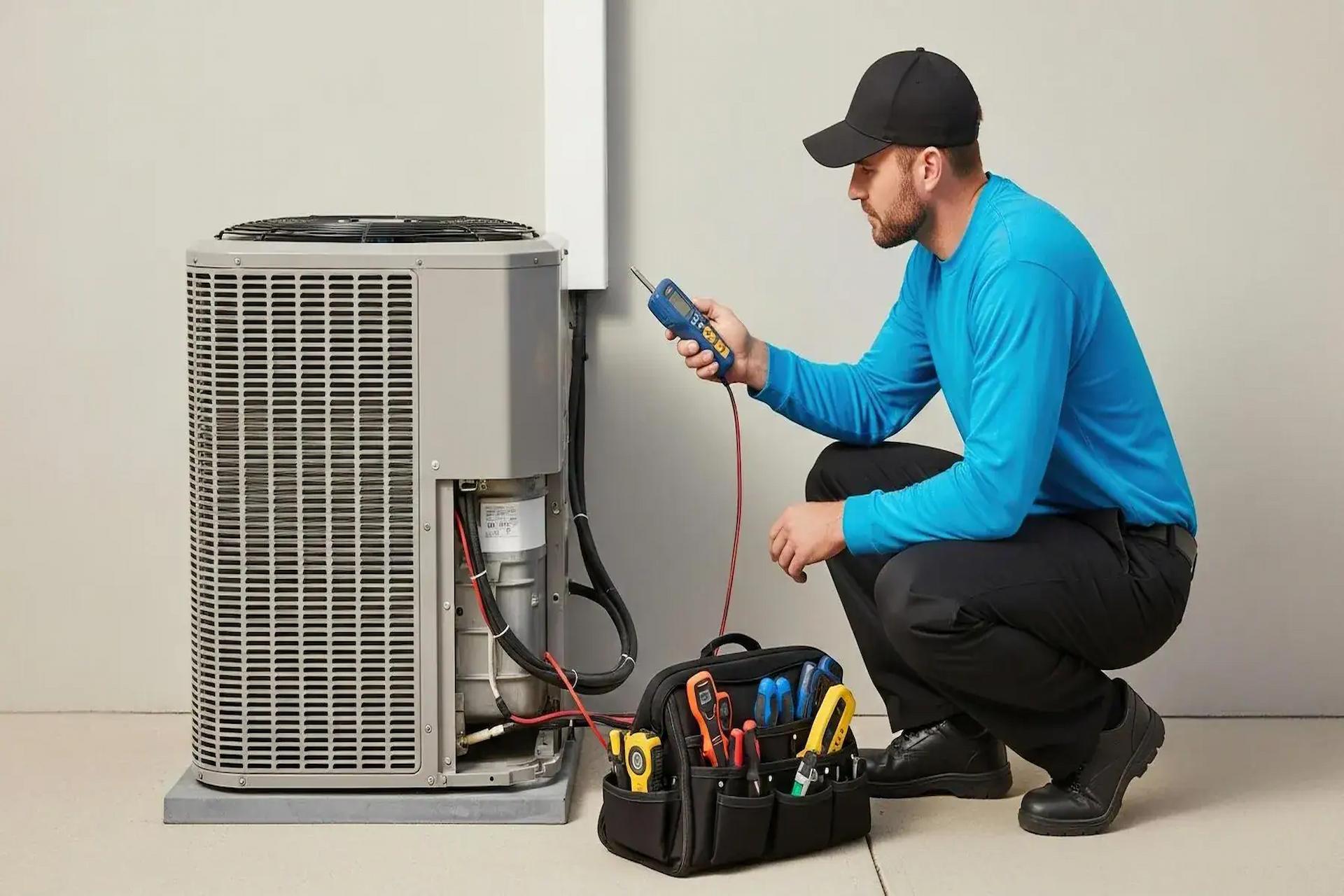
Heat pumps today are built with advanced features such as smart thermostats, variable-speed compressors, and sensors that adjust performance automatically. While these improvements make the system more efficient, they also make it more complex. Without proper servicing, smart components can fail or lose calibration. Software issues may also appear if the system is not updated. These faults are not always obvious and cannot be fixed through basic DIY checks. Professional servicing includes diagnostic tools that identify technical issues early. Skipping this support means you risk damaging expensive components. With heat pump service plans, you receive expert care tailored to modern systems, keeping the technology working as intended.
Emergency Repairs Are Always More Expensive
Breakdowns never happen at a convenient time. They often occur during very cold spells when the system is under the most pressure. Emergency repairs usually cost more than planned maintenance. Parts are harder to source at short notice, and call-out fees are higher. In some cases, homeowners may need temporary heating until repairs are completed. This adds to the overall expense. A planned service schedule prevents many of these emergency situations. Technicians can detect potential failures and fix them before the heating system stops working. With a service plan in place, you avoid the financial and emotional stress of sudden breakdowns.
Protecting Your Warranty and System Lifespan
Many manufacturers require routine maintenance to keep the warranty valid. If the system fails and you cannot prove it was serviced regularly, you may be denied support. This can leave you facing large repair costs. Even if the warranty does not specify yearly checks, skipping maintenance still shortens the system’s lifespan. A well-maintained heat pump can last up to 15 years or more. Without care, its life may be cut significantly. Heat pump service plans often include the exact checks required by manufacturers. They help you protect your investment and ensure the system runs smoothly for many years.
Long-Term Savings Are Greater Than the Upfront Cost
Some homeowners avoid service plans because of the cost. But the truth is simple: prevention is cheaper than repair. A service plan spreads the cost of maintenance over the year and protects against unexpected expenses. It also improves energy efficiency, reducing monthly bills. Over several years, the savings can be substantial. You avoid paying for large repairs, emergency call-outs, or the early replacement of the entire system. By taking a planned approach, you get peace of mind and long-term value. When you compare the small annual cost of maintenance with the potential price of a major repair, the choice becomes clear.
Final Thoughts
Heat pumps are a smart investment for today’s homes. But like any modern technology, they need regular care to stay reliable and efficient. Skipping maintenance may seem like a way to save money, but it often leads to higher costs later. Rising energy prices, advanced components, and the risk of sudden breakdowns make servicing essential. Choosing a proper service plan ensures your system performs at its best, lasts longer, and keeps your home comfortable throughout the year. It is a small step that protects a much bigger investment.